Retro Scuba Dive Embroidery Review
As a designer who spends more time than I care to admit staring at stitch density charts and testing thread tensions, I approach every new T-Shirt Designs or Graphics asset with a healthy dose of skepticism. The market is flooded with vector files that look beautiful on a screen but fall apart under the needle. That is why I take a practical, hands-on approach when evaluating an embroidery project. Today, I am breaking down the Retro with Scuba Diving T-shirt design to see if it holds up in real-world application for crafters, Etsy sellers, and boutique owners.
First Impressions: Mood and Visual Personality
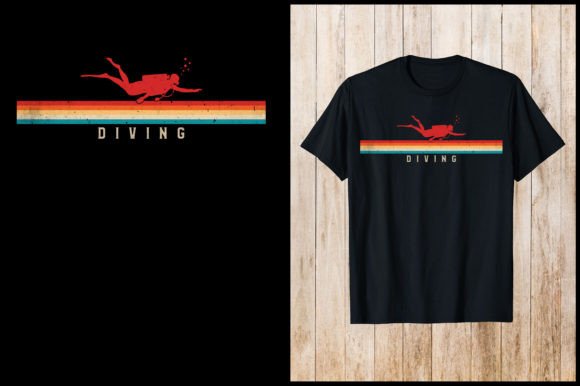
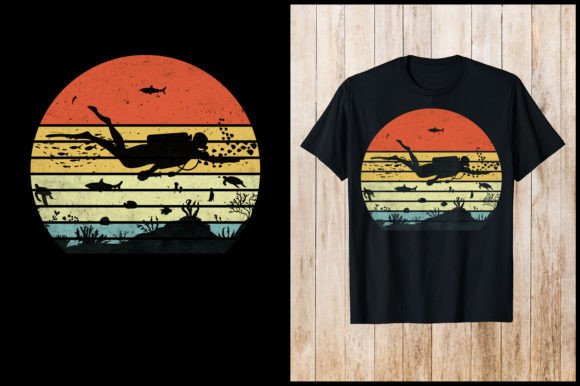
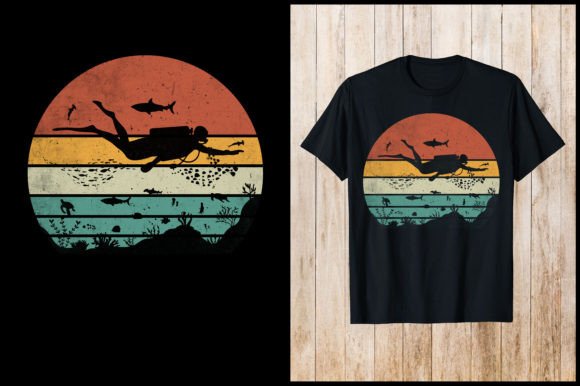
The moment you open the file, the aesthetic speaks loudly. This is not a minimalist, modernist approach; it is a bold, nostalgic statement. The Retro with Scuba Diving T-shirt design leverages a vintage color palette and classic typography cues that immediately evoke a sense of summer nostalgia. For an embroidery file, this mood is crucial because embroidery inherently adds texture and depth. A flat vector graphic can sometimes feel sterile, but when translated into thread, the retro theme gains a tactile warmth that resonates with customers looking for handmade authenticity.
Visually, the layout feels balanced. It avoids the cluttered "everything but the kitchen sink" syndrome that plagues many amateur designs. The central motif—the scuba diver—acts as a strong anchor point. From a design perspective, this works well because it gives the eye a clear focal point before exploring the surrounding text or decorative elements. It feels like a piece of art rather than just a logo slapped onto fabric. This distinction matters significantly for custom apparel where buyers are paying for perceived value and artistic merit.
Real-World Application: Where Does It Fit?
I often ask myself, "What would I actually wear this on?" When evaluating a Retro with Scuba Diving T-shirt design, I imagine it stitched onto various substrates to test its versatility. Here is how I see it performing in specific scenarios:
- Sweatshirt Embroidery: This design shines on heavyweight cotton fleece. The contrast between the soft, brushed interior of a sweatshirt and the structured threads of the design creates a premium feel. It fits perfectly with the casual, cozy vibe of autumn or spring layers.
- Craft Business Merchandise: For an Etsy seller or small shop owner, this design is a goldmine for tote bag design projects. Canvas totes provide a sturdy surface that handles the weight of fill stitches well without puckering. It appeals to beachgoers, divers, and anyone with a love for ocean aesthetics.
- Baby Embryoidery: While the theme is adult-oriented, the playful nature of the graphics could be adapted for nursery decor or baby blankets. However, one must be careful with scale. On a onesie or bib, the design needs to be resized carefully to avoid overwhelming the garment.
- Holiday Embryoidery: Think about gift-giving seasons. A retro-themed embroidered pillow cover or tea towel makes for a unique housewarming gift. It moves beyond generic holiday motifs and offers something personal and thematic.
The ability to use this design for creating products such as T-Shirts, Mugs, Pillows, and other print items means it has cross-platform potential. However, my focus here is strictly on the machine embroidery design capabilities. The transition from digital design assets to physical finished product requires careful planning, especially regarding placement.
Technical Performance and Stitch Clarity
When I review a Retro with Scuba Diving T-shirt file, I look closely at the stitch types. A successful design usually employs a mix of satin stitch for outlines and lettering, fill stitch for solid areas, and perhaps some running stitch for fine details.
In this design, the clarity of the shapes is paramount. If the curves of the scuba gear or the bubbles are too thin, they may break or pucker during high-speed stitching. Conversely, if the fill areas are too dense, the fabric will become stiff and uncomfortable to wear. I advise checking the stitch density carefully. High-density fills on lightweight fabrics can cause "pillowing," where the fabric bunches up under the thread, distorting the image.
The thread colors play a massive role in the final look. Retro themes often rely on muted tones or high-contrast primaries. Ensure your thread selection matches the original intent. Using neon threads on a pastel retro background might clash, whereas using heathered or variegated threads could enhance the vintage feel. Always test your thread colors against your chosen fabric before committing to a full production run.
Where to Use It Carefully
No design is universal, and the Retro with Scuba Diving T-shirt is no exception. There are specific situations where this design might struggle:
- Small Hoop Sizes: If you attempt to stitch this on a very small area, such as a child’s sock or a tiny pocket, the details may become muddy. Fine lines might merge together, losing the definition that makes the design appealing.
- Textured Fabrics: While denim and canvas are great, highly textured fabrics like bouclé or heavy wools can hide the intricacies of the applique design or detailed stitching. The fabric's own pattern competes with the design.
- Stretchy Fabrics: Knits require stabilization. Without proper stabilizer support, the tension of the threads can distort the stretch of the fabric, leading to a wavy, unprofessional finish.
- Curved Surfaces: Attempting to embroider this directly onto a curved cap front can be challenging. The design may need to be digitized specifically for caps to account for the curvature, otherwise, the perspective will look skewed.
Practical Designer Notes for Success
To ensure your embroidery project results in a professional-grade item, follow these steps before starting production:
- Test on Scrap Fabric: Never go straight to the final garment. Stitch the design on a scrap piece of the same fabric type. This reveals issues with puckering, thread breaks, or color clashes early.
- Check Black and White Mockups: Convert your digital preview to black and white. This helps you assess the contrast and balance of the shapes without being distracted by color. If the design lacks visual hierarchy in grayscale, it will likely struggle in color.
- Confirm Hoop Size: Ensure your machine’s hoop size accommodates the full design dimensions. The Artboard is 4500 5400 (microns or pixels depending on source context, but typically implies resolution/dimensions), so verify the physical size in inches/mm to fit your machine.
- Inspect Small Details: Zoom in on the digital file. Are there any isolated pixels or tiny elements that won't translate well to thread? These should be removed or simplified.
- Verify Licensing: Before selling any commercial embroidery items, double-check the license terms. Some files are for personal use only. Even if the description says "ready for print," confirm if commercial rights are included for the finished physical goods.
Final Verdict
The Retro with Scuba Diving T-shirt design offers a strong foundation for creative entrepreneurs looking to expand their craft business offerings. Its nostalgic charm and clear visual structure make it suitable for a wide range of handmade products, from personalized gifts to boutique branding.
It succeeds because it feels intentional. It doesn’t try to be everything to everyone; instead, it leans into a specific aesthetic that appeals to a dedicated audience. For the right customer—a diver, a surfer, or someone who loves mid-century vibes—this design delivers exactly what they are looking for. With proper preparation, correct stabilizer choice, and careful attention to stitch density, this design can elevate your small shop product line and drive engagement through its distinct personality.
If you are ready to create a printable mockup or start stitching, this file is a solid choice. Just remember: the difference between a good design and a great finished product lies in the execution. Take your time, test thoroughly, and let the quality of your work speak for itself.