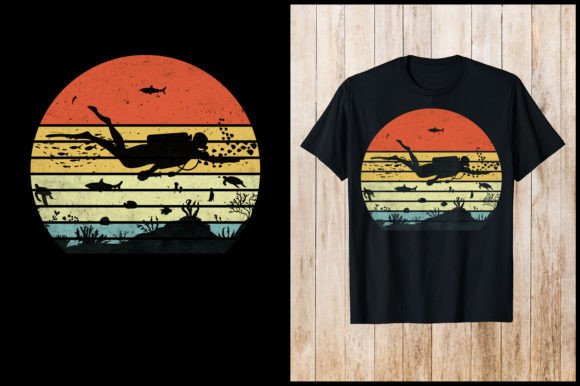
Scuba Diving Retro T-shirt Review
As a designer who spends more time than I care to admit staring at stitch density charts and arguing with thread spools, I approach every new T-Shirt Designs asset with a healthy dose of skepticism. We have all been there: you see a flashy preview on a marketplace, click buy, and then realize the file is too complex for your 4-inch hoop or the color palette clashes horribly with the fabric you actually own. That is why I treat this review as a practical field test. I am evaluating the Scuba Diving Retro T-shirt not just as a graphic, but as a potential machine embroidery design ready for real-world application.
The premise here is straightforward. You are getting an AI file, an EPS file, and a PNG file with an artboard size of 4500 by 5400 pixels. This is a Graphics product, meaning it is likely intended for print-on-demand or vector-based workflows, but my focus is on how this visual translates when we talk about stitching it into fabric. Does it hold up? Is it commercially viable? Let us dig in.
First Impressions and Visual Mood
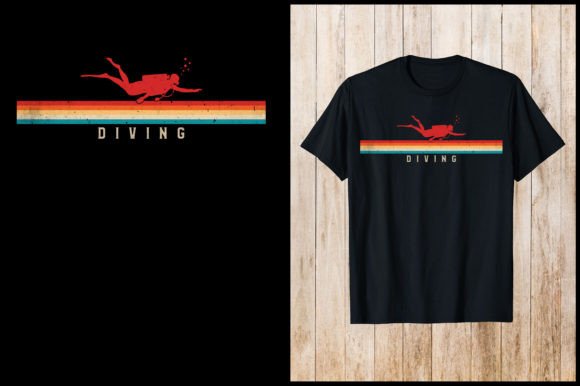
When I first opened the assets for the Scuba Diving Retro T-shirt, the immediate takeaway was the nostalgic energy. The retro aesthetic is currently dominating the craft business landscape, particularly among Etsy sellers and boutique owners looking for that vintage dive-bar vibe. The layout feels balanced, avoiding the cluttered look that often plagues amateur embroidery project files. It has a clear focal point, which is critical when you are working with limited hoop size constraints.
The visual personality suggests a relaxed, adventurous spirit. It screams summer vacation, coastal living, and laid-back weekends. For a handmade product maker, this mood is gold. It naturally fits into categories like sweatshirt embroidery for cooler evenings or tote bag design for beach days. The shapes appear clean, which is a huge plus for digitization. If you are planning to convert this into an applique design or use heavy fill stitch areas, the distinct lines will help your machine stay precise without wandering off-path.
Real-World Application: From Screen to Stitch
Let us imagine a specific scenario. You are preparing inventory for a local craft fair or updating your Etsy listings. You want to create a personalized gift for a client who loves the ocean. You decide to use the Scuba Diving Retro T-shirt graphic on a cream-colored canvas tote bag. Because the source files include high-resolution vectors (AI and EPS), you can scale the artwork to fit perfectly within your desired hoop size without pixelation.
However, remember that this is originally a print graphic. When translating this to machine embroidery, you must think about thread colors and fabric texture. On a light cotton tote, the contrast would be sharp and legible. But if you were to move this to a dark, textured denim jacket, you might need to add a contrasting underlay or change your base fabric to ensure the details pop. The design works beautifully for custom apparel, especially when paired with soft-touch polyester blends that mimic the feel of vintage tees.
I also see strong potential for this in nursery decor or baby items. A smaller version of this embroidery file stitched onto a muslin blanket or a baby onesie creates an instant classic. Parents love themes that are playful yet timeless. The retro diving theme is gender-neutral and ageless, making it a versatile choice for personalized gifts that appeal to a broad audience. Whether it ends up on a holiday embroidery project like a Christmas stocking or a wedding gift for a couple who met while snorkeling, the versatility is undeniable.
Where Caution Is Required
Not every surface is created equal, and the Scuba Diving Retro T-shirt design requires some strategic thinking depending on where you place it. Here are the areas where you should proceed carefully:
- Small Hoop Sizes: If the original design contains intricate text or tiny wave details, shrinking it down to fit a 3x3 inch hoop might result in muddy stitching. Always inspect small details before committing to a final run.
- Textured Fabrics: While great for canvas or smooth cotton, this design may struggle on heavily textured fabrics like chunky knits or boucle. The needle penetration could become uneven, affecting the stitch density.
- Stretchy Fabrics: Embroidering on jersey or spandex blends requires excellent stabilizer support. Without it, the running stitch outlines might pucker, ruining the clean lines of the retro aesthetic.
- Curved Surfaces: Attempting to stitch this on the front panel of a fitted cap can be tricky. Curvature distorts perspective, so test the alignment on a scrap piece of hat material first.
- Dense Stitch Areas: If the design uses large blocks of fill stitch, ensure your machine can handle the thickness. Too much density can make the fabric stiff and uncomfortable, especially for custom apparel meant for daily wear.
Impact on Product Value and Brand Consistency
Using a well-composed graphic like the Scuba Diving Retro T-shirt elevates the perceived value of your finished product. Customers can visually assess the quality of a design from a distance. A clean, uncluttered layout signals professionalism and attention to detail. This builds customer trust and encourages repeat purchases.
For small shop product creators, consistency is key. If you build a brand around coastal vibes, having a cohesive library of designs like this one helps maintain brand consistency. It allows you to create matching sets—perhaps a tea towel design that complements a pillow cover or a kitchen apron. This cross-selling opportunity increases your average order value.
Furthermore, the high-resolution nature of the digital embroidery file assets means you can create stunning printable mockups for your online store. Showing potential buyers how the design looks on different garments helps them visualize the purchase, boosting buyer engagement and conversion rates.
Practical Designer Notes Before You Start
Before you load this design into your machine or send it to a production partner, keep these essential tips in mind:
- Test on Scrap Fabric: Never run a full production batch without testing the Scuba Diving Retro T-shirt on a scrap piece of your actual target fabric. This reveals issues with tension, thread balance, and stability.
- Check Thread Color Contrast: Ensure your chosen thread colors provide enough contrast against the fabric. Low contrast can make the design look faded or unfinished.
- Review Stitch Density: Look closely at the digitization (if provided) or plan your stitch types. Avoid overly dense areas that might cause needle breakage or fabric distortion.
- Confirm Licensing: This is crucial. Since this is a Graphics product, verify whether the license allows for commercial use of the finished product. Some licenses restrict selling physical items made from the design, while others allow it. Do not assume; read the fine print.
- Use Proper Stabilizer: Match your stabilizer to your fabric weight. Tear-away for stable wovens, cut-away for knits or stretchy materials. This ensures the longevity of the embroidery through multiple washes.
- Black and White Mockup: View the design in grayscale to check for clarity and hierarchy. If it loses impact without color, the composition needs adjustment.
In conclusion, the Scuba Diving Retro T-shirt is a strong contender for anyone looking to add a touch of vintage charm to their embroidery project portfolio. Its clean layout and nostalgic appeal make it suitable for a wide range of applications, from embroidered patches to commercial embroidery on retail goods. By paying attention to fabric choice, stitch quality, and licensing terms, you can turn this graphic into a profitable, professional addition to your creative arsenal.