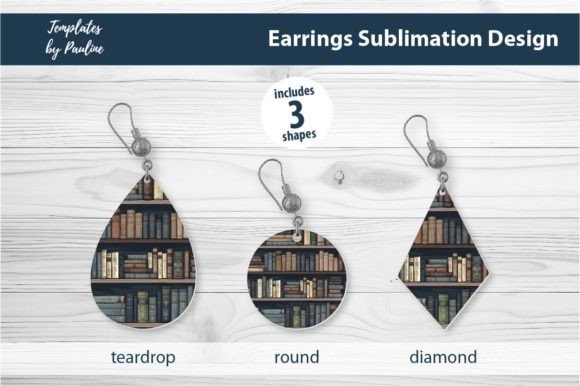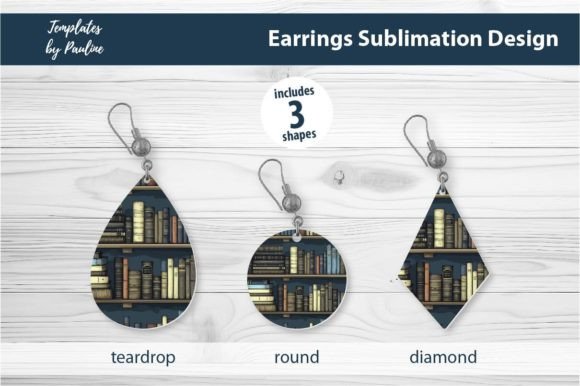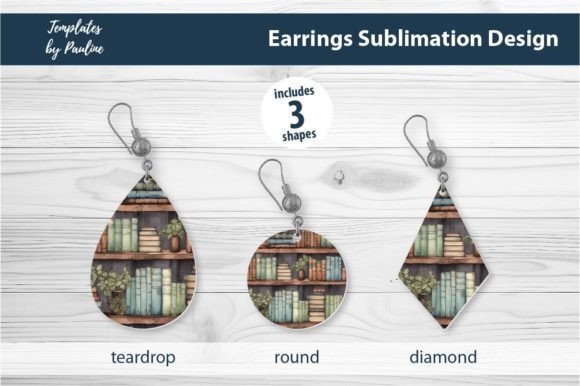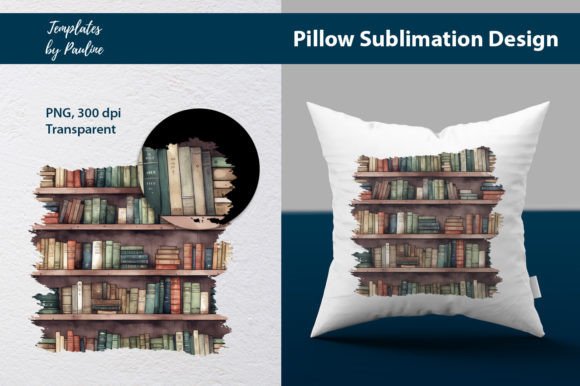
Old Library Book Sublimation Pillow
As a designer who spends more time staring at stitch charts and fabric swatches than sleeping, I have learned to be incredibly skeptical of digital assets. When I see a product labeled as a sublimation pillow design but marketed toward the embroidery community, my first instinct is to question its viability for machine work. However, after reviewing the Old Library Book Sublimation Pillow, a watercolor-style bookshelf illustration, I found myself surprisingly intrigued. This isn't just another clip art file; it carries a specific mood and aesthetic that could elevate a handmade product line if handled with technical precision.
The core appeal of this design lies in its nostalgic warmth. The watercolor texture suggests softness, which contrasts beautifully with the structured nature of machine embroidery. For an Etsy seller or small shop owner, this asset offers a unique angle: blending the cozy, intellectual vibe of a vintage library with the tactile comfort of a finished textile project. It feels like a design meant for someone who values storytelling through their crafts.
First Impressions and Visual Personality
When you load the 8x8 inch PNG into your digitizing software or preview it on a mockup, the immediate takeaway is the artistic quality. The watercolor effect provides a level of detail that mimics hand-painted illustrations, giving the final embroidery project a premium feel. Unlike rigid vector graphics that can look flat and corporate, this design has organic edges and subtle color variations that translate well into thread textures.
The theme is unmistakable: retro books, shelves, and literary charm. This makes it highly versatile for specific niches. It naturally belongs in categories such as nursery decor for book-loving parents, boutique home goods, or personalized gifts for teachers and librarians. The visual personality is calm, sophisticated, and inviting. It doesn’t shout; it whispers. In a crowded market of loud, graphic tees, this kind of quiet elegance often commands a higher price point because it signals quality and thoughtfulness.
Real-World Application: From Screen to Stitch
I recently imagined using this design for a custom embroidered tote bag made from heavy cotton canvas. The concept was to create a "Literary Escape" gift set. Here is how I see the Old Library Book Sublimation Pillow performing in real-life scenarios:
- Custom Apparel and Sweatshirts: Placed on the chest of a cream or oatmeal-colored sweatshirt, the watercolor tones would pop without overwhelming the garment. It works exceptionally well for sweatshirt embroidery targeting students or academics.
- Home Decor and Pillows: As the title suggests, this is ideal for pillow covers. On a linen or velvet fabric, the design adds a focal point to a reading nook. It elevates a basic throw pillow into a statement piece.
- Baby Embroidery: A smaller version of this design on a muslin blanket or baby onesie creates a sentimental keepsake. Parents love incorporating themes of learning and imagination early on.
- Commercial Embroidery Projects: For craft business owners, this design can serve as a base for customizable products. You could add names or dates around the bookshelf motif to create unique personalized gifts.
The versatility extends to embroidered patches as well. By adding a border, this design could become a detachable badge for backpacks or denim jackets, appealing to a younger demographic interested in indie culture.
Technical Considerations and Potential Pitfalls
While the aesthetic is strong, every designer knows that beauty does not always equal manufacturability. There are critical factors to consider before committing this digital embroidery file to production.
First, the stitch density must be carefully managed. Watercolor effects often rely on fine details and gradients. If the stitch density is too high, the fabric may pucker, especially on lightweight materials. Conversely, if it is too low, the intricate details of the book spines might get lost. I strongly advise testing the design on scrap fabric first to ensure the individual elements remain distinct.
Fabric choice is paramount. This design should be used carefully on textured fabrics, thin fabrics, or stretchy knits unless proper stabilization is employed. On dark fabrics, the lighter watercolor tones might require a backing or underlay stitching to ensure visibility. Also, avoid placing this on curved surfaces like caps where distortion could ruin the symmetry of the bookshelf layout.
Another area requiring attention is the hoop size. At 8x8 inches, this design requires a decent amount of space. Ensure your machine can accommodate this without cropping essential details. If you plan to scale it down for smaller items like aprons or kitchen towels, check whether the smallest details (like tiny text on book spines) will still be recognizable after stitching.
Stabilizer and Thread Selection
To achieve the best result, use a cut-away stabilizer for woven fabrics to maintain structure over time, especially for items that will undergo frequent washing. For knit fabrics, a tear-away or sticky stabilizer might suffice depending on the weight of the garment. Regarding thread colors, choose high-quality polyester threads that mimic the muted, earthy tones of the original watercolor. Avoid overly bright or synthetic-looking threads, as they will break the illusion of the vintage aesthetic.
Impact on Product Value and Branding
Using a high-quality asset like the Old Library Book Sublimation Pillow directly impacts customer trust and brand consistency. Customers can often tell the difference between a generic, mass-produced graphic and a design that has been thoughtfully adapted for textile application. When a buyer sees a crisp, well-executed embroidery that captures the nuance of the original watercolor, it reinforces the perception of professionalism.
This design also enhances giftability. Whether it is a holiday embroidery item or a wedding gift, the thematic relevance of books and libraries resonates emotionally. It tells a story. For printable mockups and design assets listings, having a clean, transparent PNG allows sellers to visualize the product easily, reducing friction in the buying process.
Practical Designer Notes
Before you start selling or gifting, keep these practical tips in mind:
- Test Rigorously: Always run a test stitch on the actual fabric you intend to use. Check for puckering, thread breaks, and clarity of detail.
- Check Contrast: View the design in black and white to ensure sufficient contrast between elements. This helps identify areas that might need additional outlining or fill stitches.
- Licensing: Confirm the licensing terms. Even though this is a graphics product, verify if you are allowed to sell finished physical items. Most commercial licenses permit this, but it is crucial to check.
- Inspect Small Details: Zoom in on the digital file. Are there any jagged edges or artifacts? These can become very apparent when enlarged in embroidery.
- Compare Backgrounds: Test the design on both light and dark backgrounds to see how the transparency interacts with different fabric colors.
In conclusion, the Old Library Book Sublimation Pillow is a compelling addition to any designer’s toolkit. It bridges the gap between digital art and tactile craft, offering a sophisticated option for custom apparel and home decor. By paying attention to technical details like stitch density and fabric choice, you can transform this watercolor illustration into a stunning, market-ready handmade product that stands out in today’s competitive creative marketplace.