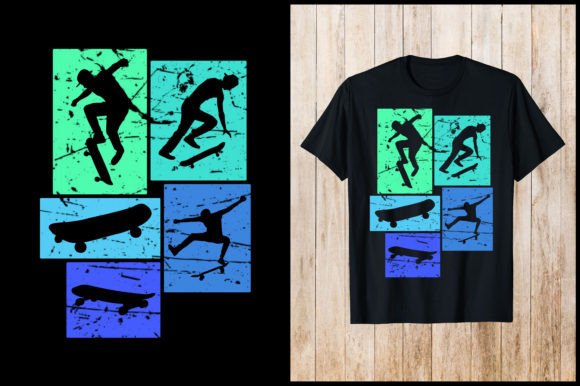
Retro Skateboard T-Shirt Embroidery Review
As a designer who spends half my life staring at digitized files and the other half troubleshooting stitch errors on the embroidery machine, I have learned to trust my gut before I ever thread the needle. When I first pulled up the Retro Skateboard T-Shirt design, I wasn’t just looking at a graphic; I was visualizing the finished product hanging in a boutique or sitting on an Etsy storefront. The world of T-Shirt Designs is saturated with generic clip art, but this piece feels like it has actual bones behind it. It falls squarely into the Graphics category, yet it carries enough personality to stand out as a legitimate asset for serious craft business owners and hobbyists alike.
First Impressions: Mood and Visual Weight
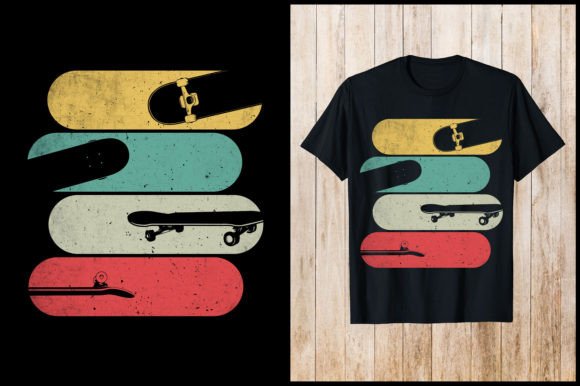
The immediate vibe of the Retro Skateboard T-Shirt is nostalgic without being cliché. There is a specific energy to retro skate culture—gritty, energetic, and unpolished—that translates surprisingly well into thread. Unlike vector graphics that rely solely on crisp lines, embroidery introduces texture, depth, and a tactile quality that can elevate a simple motif. This design seems to leverage that potential. The layout suggests a balanced composition that won’t feel top-heavy or cramped when transferred to fabric.
For those of us who sell custom apparel, the aesthetic is crucial. This isn’t just a logo; it’s a statement. It evokes the feeling of a weekend afternoon at the local park, which makes it incredibly versatile. Whether you are targeting Gen Z buyers looking for vintage vibes or millennials seeking a throwback aesthetic, the visual language speaks clearly. It feels like a handmade product that has been curated with care, rather than mass-produced by a machine. That distinction matters when you are trying to build brand consistency and customer trust.
Real-World Application: From Screen to Stitch
I often think about where these designs actually live in the real world. The Retro Skateboard T-Shirt is not limited to just t-shirts. In fact, limiting its use to one garment type would be doing a disservice to its versatility. Imagine this design stitched onto a heavyweight cotton tote bag for a summer festival. The durability of the stitches against the friction of daily use would hold up well, provided the stitch density is appropriate. It adds a layer of professionalism to what could otherwise be a plain accessory.
Consider the sweatshirt embroidery market. A relaxed fit crewneck with this design centered on the chest offers a cozy, streetwear-inspired look that is currently trending. It works beautifully for personalized gifts, especially during the holiday season. Parents buying for teens, or friends gifting each other, appreciate items that feel unique. The retro theme allows it to fit seamlessly into holiday embroidery collections alongside more traditional motifs because it taps into a broader cultural nostalgia.
It also shines in smaller formats. An embroidered patch version of this design could be applied to denim jackets or backpacks, adding a custom touch that factory-made patches rarely achieve. For Etsy sellers creating digital product previews, showing this design on various mockups—from baby onesies to aprons—helps visualize its potential. It bridges the gap between commercial embroidery projects and intimate craft business offerings.
Technical Considerations and Fabric Choices
However, no design is perfect for every surface. As we evaluate the Retro Skateboard T-Shirt, we must be realistic about where it might struggle. Embroidery is physical; it pulls fabric, creates bulk, and requires space. If you attempt to stitch this on a textured fabric like bouclé or a very thin, sheer material, the details may get lost or the stabilizer might show through uncomfortably. Similarly, on stretchy fabric without proper support, the design could pucker, ruining the clean lines of the skateboard graphic.
Placement is another critical factor. While the design looks great centered on a flat panel like a t-shirt front or a pillow cover, applying it to curved surfaces like caps or hats requires careful hooping and possibly resizing. The curves of a cap can distort straight lines if not digitized correctly. Furthermore, if the design includes tiny lettering or intricate corner details, you need to ensure your hoop size and machine resolution can handle it. Dense areas of fill stitch can become stiff and uncomfortable, so testing on scrap fabric is non-negotiable.
Color contrast is paramount. The Retro Skateboard T-Shirt likely relies on specific color palettes to convey its retro mood. On dark fabric, you will need light-colored threads, which might require a different underlay strategy to prevent the fabric from showing through. On light fabric, darker threads provide sharp definition. Always inspect small details by viewing the design in black and white mockups to ensure legibility regardless of the final thread colors chosen.
Practical Designer Notes for Success
- Test Before You Commit: Always run a test stitch on the actual fabric you plan to use. This reveals issues with thread colors, tension, and stabilizer choice before you ruin a customer’s garment.
- Check Licensing: Before listing any finished product for sale, confirm the licensing terms. Even though the file is ready for print, commercial rights vary. Ensure you are allowed to sell items made from this machine embroidery design.
- Use Proper Stabilizer: The right stabilizer prevents distortion. For tote bag design applications, a tear-away or cut-away stabilizer might be needed depending on the fabric weight.
- Review File Formats: The product description mentions AI, EPS, and PNG files with a large artboard. This suggests high-resolution assets for printing, but verify if the embroidery-specific files (like PES, DST, or JEF) are included or if you need to digitize this yourself based on the provided graphics.
Final Verdict: Value and Versatility
The Retro Skateboard T-Shirt design offers strong value for designers looking to expand their catalog. It hits the sweet spot between trendy and timeless. For small shop products, it provides a ready-made solution that saves time on creation while allowing customization through thread selection and placement. It appeals to a wide demographic, making it a safe bet for inventory planning.
Ultimately, the success of this project depends on execution. A good embroidery file is only as good as the digitization and the stitching process. By paying attention to fabric texture, choosing the right applique design techniques if applicable, and maintaining high standards for finishing, you can turn this digital asset into a beloved embroidery project. It is a solid addition to any design assets library, promising to help you create memorable custom apparel that customers will want to wear and display.