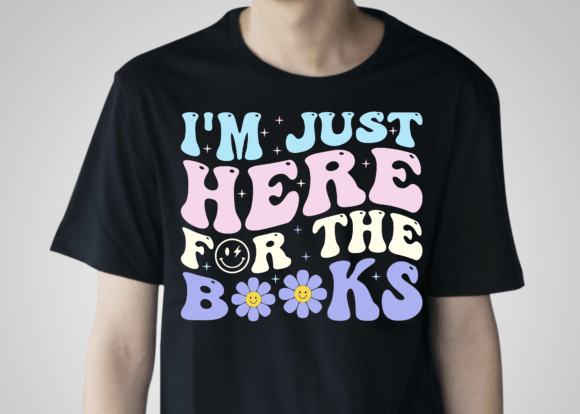
Retro Just Here for the Books Book Lover Review
As a designer who spends half my life staring at stitch charts and the other half trying to sell finished goods, I don’t just look at an embroidery file; I look at its potential. When Retro Just Here for the Books Book Lover landed in my queue, I didn’t see it as just another graphic. I saw it as a specific solution for a very specific customer. If you are an Etsy seller, a boutique owner, or a crafter looking to add value to your handmade products, understanding how this design translates from screen to fabric is crucial. This isn’t just about pretty fonts; it’s about stitching clarity, market appeal, and whether this design will actually hold up on a real garment.
First Impressions: The Mood and Visual Personality
The immediate draw of Retro Just Here for the Books Book Lover is its nostalgic energy. It taps into that cozy, intellectual vibe that has become incredibly popular in recent years. The typography suggests a vintage aesthetic, likely leaning towards bold, clean lines that mimic mid-century graphic design. For an embroidery project, this is a massive advantage. Complex scripts can be a nightmare to digitize, often resulting in tangled threads or lost details. A retro block-letter style usually offers better structural integrity when stitched.
Visually, the design feels grounded. It doesn’t scream for attention with chaotic elements; instead, it invites the viewer in. This makes it perfect for personalized gifts where the sentiment matters more than flashiness. Whether it ends up on a tote bag, a sweatshirt, or a nursery wall hanging, the mood is consistent: relaxed, literary, and timeless. For designers, this means fewer corrections needed during the digitizing process and a higher likelihood of a clean first run.
Real-World Application: Where This Design Shines
I want to talk about how Retro Just Here for the Books Book Lover performs in actual production scenarios. Let’s imagine you are preparing inventory for the upcoming holiday season. You need items that appeal to book clubs, teachers, librarians, and avid readers. This design hits all those marks.
Consider a custom embroidered tote bag. This is a staple for any craft business. The phrase fits perfectly across the front panel of a canvas tote. Because the design relies on strong shapes rather than delicate shading, it stitches cleanly on heavy cotton duck canvas. The contrast between the thread and the fabric will pop, making it an attractive handmade product for craft fairs or online listings. It signals quality without requiring expensive specialty threads.
Another strong use case is sweatshirt embroidery. Think about oversized crewnecks in neutral tones like oatmeal, slate, or forest green. Placing this design on the chest or slightly off-center creates a modern, streetwear-inspired look. The retro theme complements the casual nature of the garment. It’s not too formal, but it’s polished enough to wear to a coffee shop or a library event. For Etsy sellers, this versatility allows you to list the same digital file or physical item across multiple categories, maximizing your reach.
It also works exceptionally well for baby embroidery and nursery decor. While the text references "books," the playful retro font makes it suitable for a child’s room. Imagine this stitched onto a muslin burp cloth, a small pillow cover, or a blanket border. Parents love personalized items that reflect their interests, even if they are passing them down to the next generation. It adds a layer of emotional value to the finished product.
Commercial Potential and Brand Consistency
For small shop owners, consistency is key. If your brand leans towards cozy, intellectual, or vintage aesthetics, Retro Just Here for the Books Book Lover fits seamlessly into your visual identity. It helps build trust with customers who recognize your style. When buyers see a cohesive collection of designs that share similar moods and quality levels, they are more likely to return. This design acts as a reliable anchor in your catalog, appealing to a broad demographic without alienating your core audience.
Furthermore, its adaptability extends to digital product previews. Even if you are selling the digital embroidery file itself, showing mockups of this design on various items—mugs, pillows, t-shirts—helps buyers visualize the end result. High-quality printable mockups can significantly boost conversion rates because they bridge the gap between a flat vector file and a tangible, cherished object.
Where Caution Is Required
No design is perfect for every situation, and being honest about limitations is part of professional design judgment. There are certain contexts where Retro Just Here for the Books Book Lover might struggle.
First, avoid using this design on highly textured fabrics like chunky wools or bouclé. The stitch definition will be lost, and the retro lettering may look muddy or uneven. Stick to smooth weaves like cotton, polyester blends, or denim for the best results. Similarly, be cautious with stretchy fabrics like thin jersey knits unless you are using a high-quality cut-away stabilizer. Without proper support, the tension of the stitches could pucker the fabric, ruining the crisp lines of the design.
Small hoop sizes present another challenge. If you attempt to stitch this design on a tiny patch or a small cap front, ensure the digitization accounts for adequate spacing between letters. Crowded text can lead to needle breaks or thread tangles. Always inspect the stitch density before running a full production batch. If the design includes fine details or tiny decorative accents, test them first. Sometimes, what looks good on a 4K monitor disappears when reduced to a two-inch square.
Dark fabrics require careful thread selection. While black thread on a black shirt can create a subtle, tonal effect, it risks blending into the background if the lighting isn’t right. Conversely, bright white thread on dark fabric offers high contrast but requires sufficient fill coverage to prevent the fabric color from showing through. Always do a black and white mockup check to ensure the design maintains its shape and readability regardless of color.
Practical Designer Notes for Execution
If you decide to incorporate Retro Just Here for the Books Book Lover into your workflow, here are some essential steps to ensure success:
- Test on Scrap Fabric: Never run a new design directly onto your final product. Use a scrap piece of the same material to check tension, thread behavior, and stabilizer performance.
- Check File Formats: Ensure you have the correct files for your machine. The availability of AI, EPS, SVG, and PNG formats suggests versatility, but always verify compatibility with your specific embroidery software.
- Review Stitch Types: Understand how the design uses satin stitch for outlines, fill stitch for solid areas, and running stitch for details. Each stitch type behaves differently under tension.
- Confirm Licensing: Before selling custom apparel or commercial embroidery items, double-check the license terms. Some designs allow commercial use, while others are for personal use only. Protect your business by staying compliant.
- Optimize Thread Colors: Choose threads that complement the retro vibe. Earth tones, muted pastels, or classic primary colors often work best with this aesthetic. Avoid overly neon threads unless they fit a specific, intentional theme.
Final Verdict
Retro Just Here for the Books Book Lover is a solid, versatile addition to any designer’s toolkit. It balances nostalgia with modern appeal, making it relevant for a wide range of products. From tote bag designs to holiday embroidery gifts, it offers strong visual impact and practical stitching characteristics. By paying attention to fabric choice, stabilization, and licensing, you can turn this simple graphic into a high-value embroidery project that resonates with customers and supports your creative business goals.