Retro Groovy Digital Paper Background Review
As a designer who spends more time looking at stitch lines than screen pixels, I approach every new asset with a healthy dose of skepticism. The market is flooded with "printable" graphics that look beautiful on a monitor but turn into muddy, unrecognizable blobs once they hit the hoop. That is why when I came across Retro Groovy Digital Paper Background, I didn’t just glance at it; I put it through the same rigorous evaluation process I use for client work and my own small shop inventory.
The product description promises high-resolution assets—specifically 3600 x 3600 px at 300dpi in a single PNG file within a zip folder. On paper, those are solid specs for digital design assets. But the real question for any embroidery designer, Etsy seller, or craft business owner is this: does it translate? Can it survive the transition from a flat digital image to a textured, stitched reality? Here is my practical breakdown of how this background performs in real-world application.
First Impressions and Visual Personality
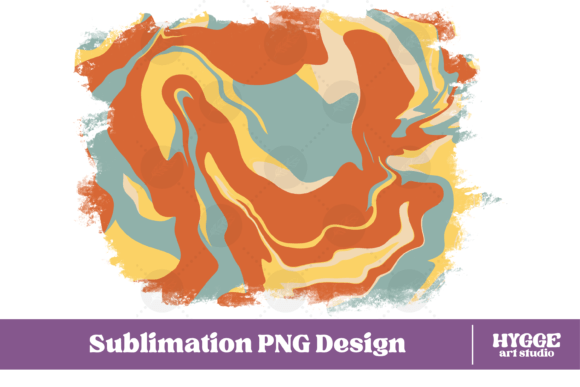
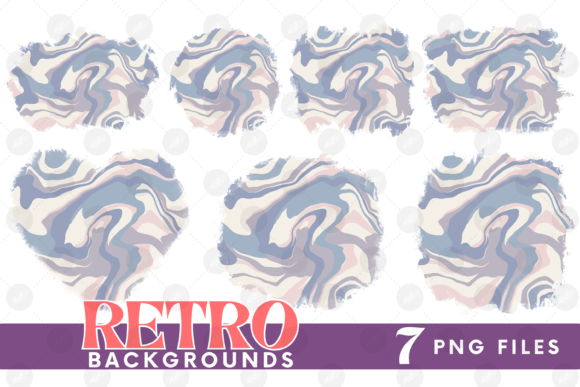
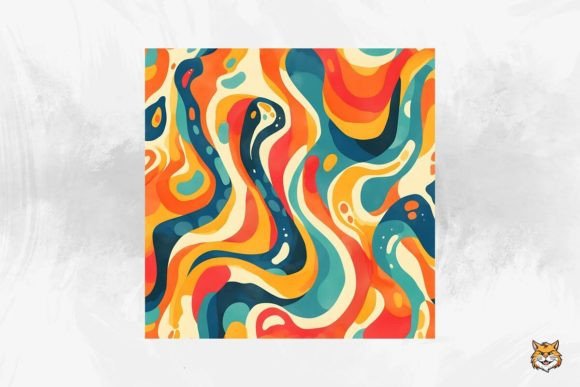
The moment you open the file, the mood is immediately established. This isn’t subtle. The Retro Groovy Digital Paper Background leans heavily into vintage aesthetics, utilizing shapes and color palettes that evoke a specific era of optimism and bold expression. For a designer, this visual personality is a double-edged sword. It is incredibly strong, which means it can define a brand instantly, but it is also demanding.
In the context of Backgrounds and Graphics, this asset stands out because it has enough detail to hold attention without being so chaotic that it distracts from the primary subject. Whether you are creating a tote bag design or a sweatshirt embroidery project, the groovy elements provide a lively stage for your main motif. It feels curated rather than random, which adds a layer of professionalism that buyers appreciate. When customers see a finished product, they want to feel like they are buying into a style, not just purchasing a generic item. This background delivers that stylistic punch right away.
Real-World Application: From Screen to Stitch
I tested the concept of using this graphic as a foundational element for several different embroidery projects. The most immediate fit was a line of personalized gifts for the holiday season. Imagine a set of embroidered kitchen towels or aprons featuring this retro pattern as a border or backdrop for a custom name.
Because the resolution is high (300dpi), the initial mockups looked crisp. However, the true test lies in the stitching. When converting this digital embroidery file concept into actual thread, the density becomes critical. If you are aiming for a full coverage fill, the complexity of the groovy shapes might require a significant amount of thread. For smaller items like an embroidered patch or a cap front panel, the details need to be simplified. You cannot simply digitize the entire PNG pixel-for-pixel and expect it to work. A skilled digitizer needs to interpret the shapes, perhaps using a combination of fill stitch for the larger blocks and running stitch or satin edges for definition.
This background shines brightest when used in custom apparel where the fabric texture can complement the retro vibe. A heavy cotton canvas tote bag or a fleece sweatshirt provides the stability needed to handle the visual weight of the design. In contrast, trying to apply this to a delicate baby onesie might result in a garment that is too stiff or heavy. The stitch density required to make the colors pop would likely compromise the softness that parents look for in baby embroidery.
Where Caution Is Required
Not every surface is a friend to a bold machine embroidery design. There are specific scenarios where Retro Groovy Digital Paper Background could lead to frustration if you do not plan carefully.
- Small Hoop Sizes: If you are working with a 4x4 inch hoop, the intricate curves of the groovy pattern may become lost in the noise. Tiny details often get muddled together, turning distinct shapes into a grayish blur. Always inspect small details before committing to production.
- Textured and Stretchy Fabrics: While denim and canvas are safe bets, stretchy knits or highly textured fabrics like bouclé can distort the symmetry of the design. The tension of the fabric under the hoop can cause puckering, especially if the design has large areas of fill stitch.
- Dark Fabric Challenges: If you plan to stitch this over a dark base, you will need a substantial underlay or a white backing to prevent the colors from looking dull. Conversely, if the background itself is light, ensure your thread colors have enough contrast against the fabric to maintain clarity.
- Curved Surfaces: Applying this to a curved surface like a baseball cap requires careful placement. The distortion inherent in curving a flat design can warp the "groovy" shapes, making them look unintentional rather than stylized.
Impact on Product Value and Branding
For the Etsy seller or small shop product creator, presentation is everything. Using a cohesive, high-quality design asset like this background elevates the perceived value of your handmade product. It signals that you care about the aesthetic coherence of your brand. When a buyer sees a consistent style across your listings—from the packaging inserts to the printable mockup images—they develop trust in your professionalism.
This background also enhances the giftability of your items. Retro themes are timeless and appeal to a broad demographic, from Gen Z shoppers looking for nostalgia to older buyers who lived through that era. By integrating this graphic into your commercial embroidery offerings, you tap into an emotional connection that drives engagement. It transforms a simple piece of clothing or home decor into a statement piece.
Practical Designer Notes for Success
Before you upload this file to your digitizing software or send it to a print-on-demand partner, keep these practical tips in mind:
- Test on Scrap Fabric: Never assume a digital preview matches the physical outcome. Stitch a sample on the exact fabric you plan to sell. Check how the thread colors interact with the material.
- Check Stitch Density: Ensure your digitizing software is set up to handle the complexity of the shapes. Too much density leads to needle breaks and bulky seams; too little leads to visible fabric showing through.
- Use Proper Stabilizer: A robust stabilizer is non-negotiable for maintaining the integrity of the design, especially if you are using dense fills.
- Review Licensing: Although the product includes a zip file and PNGs, you must confirm the license terms before selling finished items. Some graphics allow personal use only, while others permit commercial sales of handmade goods. Clarify this to avoid legal issues.
- Black and White Mockups: View your design in grayscale to check contrast levels. If the design loses its shape in black and white, it will likely struggle in color on certain fabrics.
In conclusion, Retro Groovy Digital Paper Background is a versatile and visually striking asset that can significantly enhance your embroidery project portfolio. It works best when paired with stable fabrics and thoughtful digitization. For the creative entrepreneur willing to put in the prep work, this background offers a reliable path to creating memorable, high-quality finished products that stand out in a crowded marketplace.