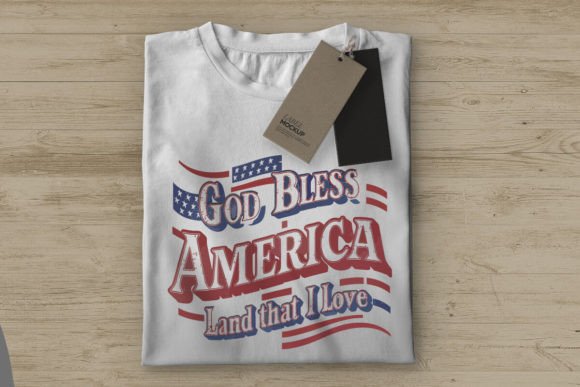
Retro 4th of July PNG, America Patriotic
As a designer who spends half my life staring at stitch density charts and the other half arguing with embroidery machines about tension settings, I don’t just look for "pretty" designs. I look for viability. Can this design survive the hoop? Will it hold up after twenty washes? Does it translate well from a digital screen to physical thread? When I first pulled up Retro 4th of July PNG, America Patriotic, my immediate instinct was to analyze its structural integrity and market potential rather than just admiring the color palette.
This isn't just another generic flag graphic. It carries a specific vintage weight that suggests a deliberate aesthetic choice. For those of us building brands on Etsy or running small boutique shops, visual personality is currency. This file brings a nostalgic, Americana vibe that feels curated rather than mass-produced. But does it work in practice? Let’s break down how this design performs when we move it out of the browser and into the hoop.
The First Impression: Mood and Layout
The moment you load the vector files—whether you are working with the EPS or SVG—the layout communicates clearly. The "Retro" aspect implies bold shapes, perhaps slightly distressed textures or classic typography styles common in mid-century American graphics. This matters because embroidery is a medium of limitation. You cannot replicate infinite gradients or subtle airbrushing easily without expensive multi-head machines and specialized techniques.
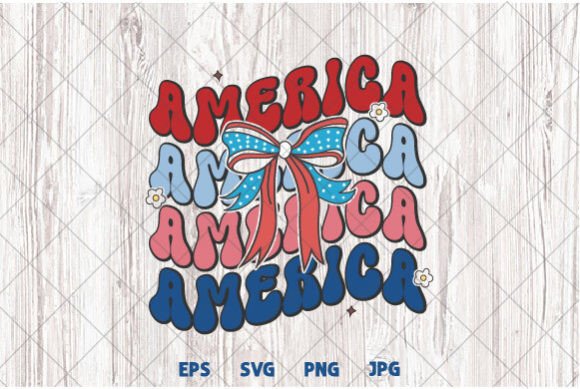
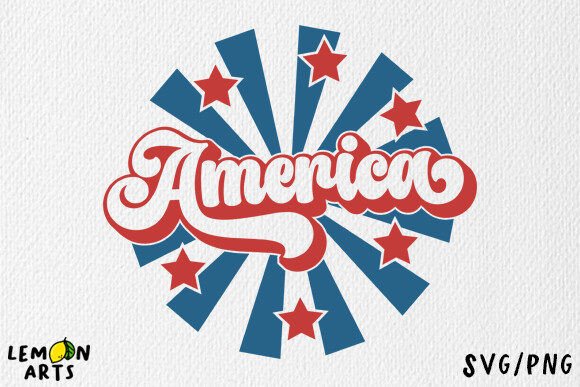
Retro 4th of July PNG, America Patriotic appears to lean into solid forms and clear lines. This is good news for stitching. Designs that rely on heavy fill areas can become stiff and bulky, while those with too many tiny details often turn into muddy blobs of thread. The visual personality here strikes a balance. It feels celebratory but grounded. It doesn’t scream; it waves. This subtlety makes it highly versatile for custom apparel where you want the customer to feel proud wearing it, not like they are walking around with a billboard on their chest.
Real-World Application: From Screen to Stitch
Let’s talk about a real scenario. Imagine you are preparing inventory for the peak holiday season. You need a product that appeals to a broad demographic—parents buying for kids, young adults looking for trendy streetwear, and older generations appreciating the classic style. You decide to create a line of embroidered patches and tote bag designs.
I envision placing this design on a heavyweight canvas tote bag. The retro aesthetic pairs beautifully with natural cotton or denim backgrounds. The contrast between the structured nature of a tote bag and the playful nostalgia of the design creates a cohesive brand story. It looks like something you’d find in a curated gift shop, not a discount bin.
Another strong use case is sweatshirt embroidery. A crewneck sweatshirt offers a large, flat surface area that allows the full detail of the graphic to breathe. Because the design is labeled as high-resolution (4500x5400 pixels in the source files), it retains its sharpness even when scaled down for smaller placements, such as a left-chest logo on a polo shirt or a cap front panel. This scalability is crucial for small business merchandise where one master design needs to adapt to five different products.
Apparel and Accessories
- Custom Apparel: Works exceptionally well on t-shirts made of ring-spun cotton, which has a slight texture that complements the retro vibe.
- Baby Embroidery: Soft bodysuits or muslin blankets benefit from the gentle, non-aggressive patriotic theme. It’s perfect for a baby shower gift or a 4th of July family matching set.
- Holiday Embroidery: Beyond just the Fourth of July, this design fits the broader summer seasonal window, including Memorial Day and Labor Day sales cycles.
Technical Considerations and Potential Pitfalls
No design is perfect, and as an experienced reviewer, I must highlight where Retro 4th of July PNG, America Patriotic might challenge your setup. Embroidery is unforgiving of poor planning.
First, consider the stitch density. If the design includes large blocks of fill stitch, you need to ensure your machine can handle the needle penetrations without breaking threads or causing fabric puckering. On thin fabrics, this can be a disaster. Always test on scrap fabric first. If you are using this on a tea towel or a light linen napkin, you will likely need a cut-away stabilizer to prevent distortion.
Second, think about thread colors. Retro palettes often involve muted reds, creams, and navy blues. These colors can sometimes lack contrast against darker fabrics. If you plan to embroider this on a black hoodie, the cream elements might get lost unless you use a high-quality, opaque polyester thread. Conversely, bright white thread on a white background will disappear entirely. Check your thread colors against your fabric choices before committing to a production run.
There is also the issue of hoop size. While the source file is large, your physical hoop limits what you can actually stitch. Ensure the design fits comfortably within your largest standard hoop if you intend to place it centrally on a garment. If the design extends beyond the hoop, you risk losing critical details or having to re-hoop, which can lead to misalignment.
Fabrics to Approach with Caution
- Textured Fabrics: Bouclé or heavy tweed can hide the fine details of the design.
- Stretchy Knits: Unless you use a water-soluble stabilizer or a heavy-duty tear-away, stretchy jersey fabrics may distort under the tension of the stitches.
- Curved Surfaces: Embroidering directly onto the curve of a baseball cap requires significant skill. Flat surfaces like kitchen towels or flat-front bags are much safer for consistent results.
Visual Appeal and Customer Trust
In the world of handmade goods, presentation is everything. A clean, well-executed stitch job signals professionalism. When a buyer sees Retro 4th of July PNG, America Patriotic stitched neatly on a product, they perceive higher value. They see the care you took in digitizing and executing the design. This builds customer trust and encourages repeat purchases.
Furthermore, the design’s versatility supports brand consistency. If you sell a range of items—from pillow covers to aprons—using a unified design language helps customers recognize your shop. The retro theme is timeless enough to remain relevant year after year, making it a smart investment for long-term design assets.
Practical Designer Notes
Before you upload this file to your machine, follow these steps to ensure success:
- Test the Design: Never go straight to the final product. Use off-cuts of your intended fabric to check tension and stitch quality.
- Inspect Small Details: Zoom in on the digital file. Are there any tiny text elements or intricate corners that might not stitch cleanly? Simplify if necessary.
- Check Licensing: Confirm whether the license allows for commercial use. If you are selling finished items, you need explicit permission to use the design commercially. Do not assume.
- Use Proper Stabilizer: Match your stabilizer to your fabric weight. Heavy fabrics need heavy stabilizers; light fabrics need delicate ones.
- Black and White Mockups: Convert the design to grayscale to check contrast levels. This helps identify areas that might look muddy when stitched in thread.
Ultimately, Retro 4th of July PNG, America Patriotic is a strong candidate for any designer looking to add a touch of classic Americana to their collection. It balances aesthetic appeal with practical stitching considerations, provided you respect the technical limitations of the medium. By treating it as a professional tool rather than just a pretty picture, you can create finished products that resonate with buyers and stand the test of time.