Nana Png Retro Mothers Day Sublimation Review
As a designer who spends half my life staring at stitch charts and the other half troubleshooting tension issues on vintage machines, I don’t just look for "pretty" images. I look for viability. When I first pulled up Nana Png Retro Mothers Day Sublimation, my initial reaction was one of cautious optimism. The title suggests a specific aesthetic—retro, nostalgic, perhaps a bit kitschy—and the format (PNG) immediately signals that this is not a native digitized file but rather a raster image intended for transfer or tracing. For an embroidery product reviewer, this distinction is critical because it dictates exactly how we approach the conversion process.
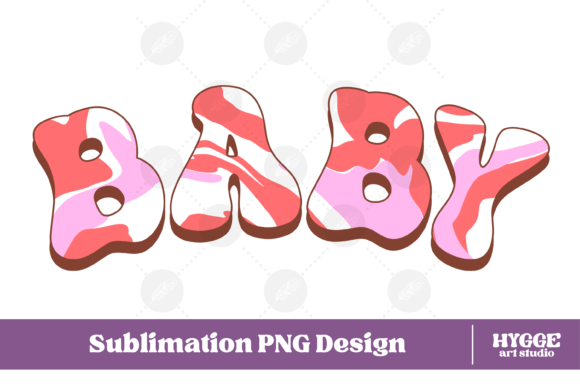
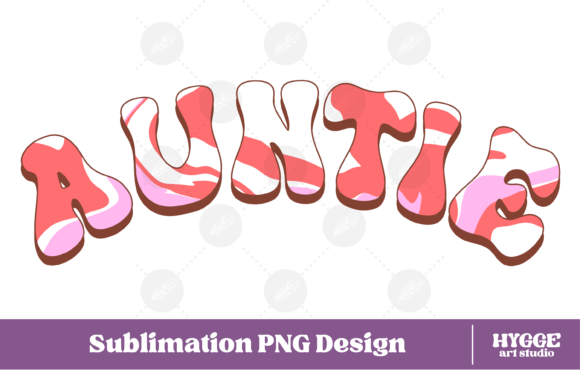
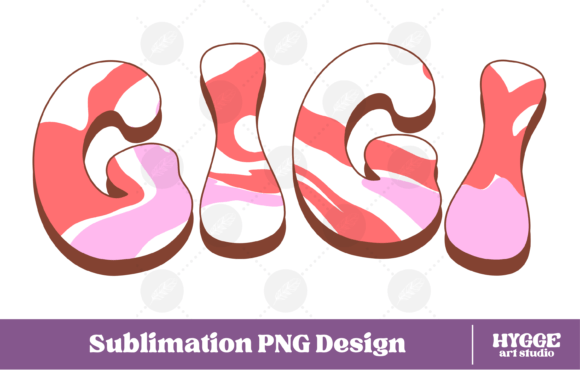
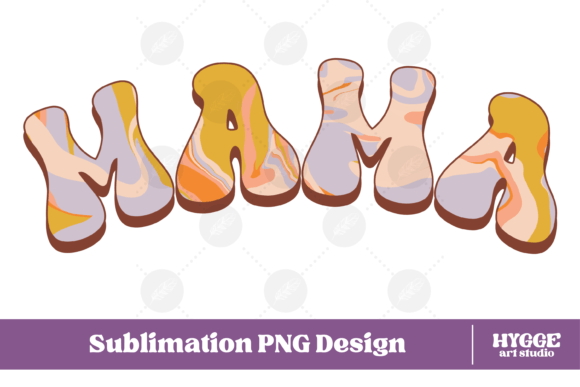
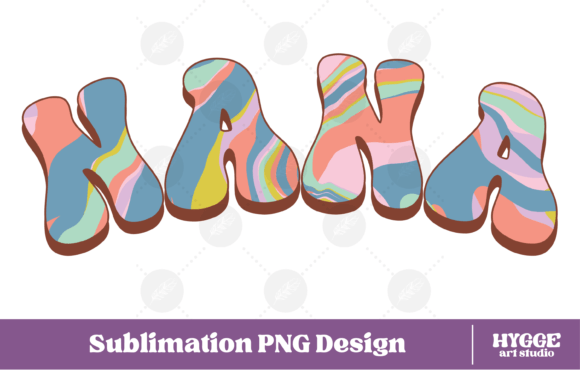
The visual personality of Nana Png Retro Mothers Day Sublimation leans heavily into warmth and familiarity. It evokes the feeling of a faded postcard from the 1970s or a well-loved kitchen towel hanging by the sink. This isn’t a sleek, minimalist modern design; it’s textured, emotive, and grounded in tradition. For craft business owners and Etsy sellers, this emotional resonance is valuable. Customers buying personalized gifts often want to feel a sense of heritage or comfort, and this design asset taps directly into that desire. However, the challenge lies in translating that digital nostalgia into tangible thread without losing the subtlety that makes the original illustration appealing.
Real-World Application: The Tote Bag Scenario
To truly evaluate Nana Png Retro Mothers Day Sublimation, let’s imagine a concrete project. I am preparing a custom embroidered tote bag for a boutique client who wants to sell a line of Mother’s Day gifts. The goal is a high-end, handmade product that feels personal but looks professional. I decide to use this PNG as a reference for a large chest placement on a heavy canvas tote.
The first hurdle is clarity. Since this is a graphic illustration rather than a pre-digitized machine embroidery design, I have to manually interpret the shapes. If I were to simply trace this PNG into a basic digitizing software, the result could be messy. The retro style likely contains intricate details—perhaps floral borders, script text, or layered elements—that require careful handling. In a real-world scenario, I would need to break down the image into distinct zones: areas suitable for fill stitch to create texture, regions where satin stitch would define edges cleanly, and sections that might work best with running stitch for delicate accents.
If executed correctly, the finished product would have a rich, tactile quality. The contrast between the smooth satin stitches outlining the main figure and the textured fill stitches in the background would elevate the piece from a simple print to a luxury item. Buyers at craft fairs or online shops can physically feel the difference between a direct-to-garment print and a well-executed embroidery. This adds significant perceived value, allowing you to charge a premium price point for your handmade product.
Where Caution Is Required
However, not every surface is created equal, and Nana Png Retro Mothers Day Sublimation has limitations depending on where you apply it. One area where this design requires careful consideration is small hoop sizes. If you attempt to fit the entire composition into a 4x4 inch hoop, you risk losing the nuance of the retro details. Tiny lines may become muddy, and text—if present—might become illegible after stitching. For such small formats, it is better to isolate specific elements, such as a single flower or a wordmark, rather than attempting the full graphic.
Fabric choice is equally critical. While this design looks charming on flat surfaces like tote bags or aprons, applying it to stretchy fabrics like thin cotton tees or jersey knit requires extra stabilization. Without proper stabilizer support, the tension of the threads can pucker the fabric, distorting the clean lines of the illustration. Similarly, textured fabrics like bouclé wool or rough burlap can hide the fine details of the design, making it look cluttered or undefined. In these cases, the visual appeal suffers because the eye cannot track the intended shapes clearly.
Another potential pitfall is dark fabric. Since this is a PNG file provided in RGB profile, it likely relies on light backgrounds or transparent layers to convey its retro charm. Embroidering a light-colored design onto dark fabric means using a dense underlay or a cut-away stabilizer to prevent show-through, which adds bulk. For a custom apparel project like a sweatshirt, this might be acceptable, but for something lightweight like a baby onesie, the added stiffness could be uncomfortable. Always test your thread colors against your base fabric to ensure sufficient contrast.
Technical Considerations for Designers
For those converting this graphic into a functional embroidery file, several technical steps are non-negotiable. First, always inspect the source PNG at 100% zoom. Look for jagged edges or low-resolution artifacts that will translate poorly into thread paths. If the image is pixelated, your digitizing will struggle to create smooth curves, resulting in a blocky, unprofessional finish.
Next, consider the stitch density. Retro designs often feature bold outlines. If you digitize these with too much density, the fabric will become stiff and unnatural. Aim for a balanced density that allows the fabric to drape naturally while still providing coverage. It is also wise to test the design in black and white mockups before committing to expensive threads. This helps verify that the composition holds up without the crutch of color, ensuring that the shape and layout are strong on their own.
Furthermore, confirm the licensing terms before selling any finished items. The description notes this is an instant download PNG, but it does not explicitly state commercial usage rights for physical goods. As a responsible Etsy seller or small shop product creator, you must verify whether you are allowed to sell finished products made from this design. Assuming commercial rights when they do not exist can lead to legal issues and damage your brand reputation.
Final Verdict on Visual Appeal and Branding
When done right, Nana Png Retro Mothers Day Sublimation offers a strong foundation for holiday embroidery projects. Its nostalgic vibe resonates deeply with buyers looking for sentimental gifts. Whether used for an embroidered patch on a denim jacket, a centerpiece on a kitchen towel, or a decorative element on a nursery decor item, the design brings a sense of warmth and care.
The key to success lies in respecting the medium. Do not treat this PNG as a magic solution that requires no adjustment. Treat it as a starting point—a visual brief that you must interpret through the lens of thread and fabric. By paying attention to hoop size, fabric texture, and stitch types, you can transform a simple digital graphic into a cherished personalized gift. For designers willing to put in the prep work, this asset has the potential to drive engagement and sales, offering a professional touch that stands out in a crowded market of mass-produced merchandise.
In summary, Nana Png Retro Mothers Day Sublimation is a versatile design asset with clear commercial potential, provided you approach it with the technical rigor of a seasoned embroiderer. Test thoroughly, stabilize wisely, and always prioritize the tactile experience of the end user. When these elements align, the result is not just a stitched image, but a meaningful piece of art that customers will hold onto long after the holiday season passes.