Halloween Ghost Witch Boo Pumpkin Retro Review
As a designer who spends more time staring at stitch density charts and fabric swatches than I care to admit, I approach every new digital asset with a healthy dose of skepticism. The market is flooded with clip art that looks great on a screen but falls apart under the needle. That is why when I pulled up Halloween Ghost Witch Boo Pumpkin Retro, I didn’t just look at the preview image; I mentally mapped out how this design would translate from a flat PNG file into a tangible, wearable piece of art. This review is for the serious embroiderers, the Etsy sellers pushing for that perfect listing, and the craft business owners who know that the difference between a good product and a bestseller often lies in the details.
First Impressions: Mood and Visual Personality
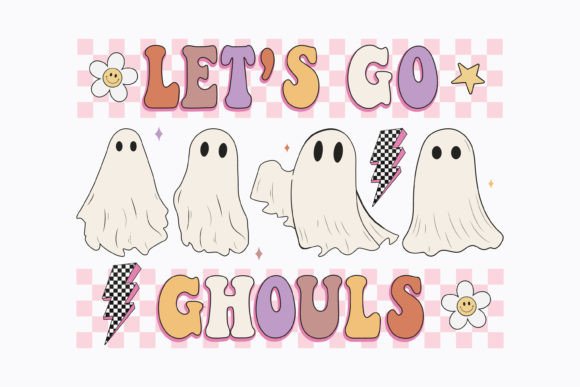
The immediate vibe of Halloween Ghost Witch Boo Pumpkin Retro is nostalgic without being cliché. It taps into that specific retro aesthetic that has been dominating home decor and apparel trends for the last few years. There is a warmth to the composition that feels inviting rather than scary, which is a crucial distinction if you are targeting families or creating gifts for neighbors. The layout balances the classic Halloween icons—the ghost, the witch, and the pumpkin—into a cohesive unit that reads clearly even at smaller scales.
From a graphic design standpoint, the shapes are bold enough to hold their own in embroidery. Thin, fragile lines are the enemy of machine stitching because they tend to pucker or disappear into the fabric texture. Here, the forms feel substantial. The "Boo" typography likely anchors the piece, providing a focal point that draws the eye before wandering to the supporting characters. For an embroidery project like a custom sweatshirt or a tote bag, this kind of balanced visual weight ensures the design doesn’t get lost against the background fabric.
Real-World Application: From Screen to Stitch
Let’s talk about where this design actually lives. I envision Halloween Ghost Witch Boo Pumpkin Retro shining on medium-to-large hoop projects. A heavy cotton canvas tote bag is the obvious choice. The sturdy fabric can support the stitch density required for the fill stitches, and the casual nature of the bag complements the playful theme. When a customer picks up a bag embroidered with this design, they aren’t just buying storage; they are buying a seasonal statement piece that signals their participation in the holiday spirit.
However, the versatility extends beyond bags. Imagine this design on a fleece-lined hoodie for a craft fair booth. The softness of the fabric contrasts beautifully with the crispness of the satin stitches, creating a tactile experience that online shoppers cannot replicate. For those selling personalized gifts, placing this design on a baby onesie or a burp cloth requires careful consideration of scale, but the gentle, retro mood makes it suitable for nursery decor or autumn-themed baby showers. It bridges the gap between spooky and sweet, expanding your potential customer base significantly.
For the Etsy seller or small shop owner, this design is a workhorse. It fits perfectly into the "holiday gift" category, which sees massive traffic spikes in October and November. Whether you are offering custom apparel or creating printable mockups to showcase your services, having a versatile graphic like this allows you to test multiple products quickly. You can mock it up on a pillow cover, a kitchen towel, or an apron, and the design holds its integrity across different contexts.
Technical Considerations and Potential Pitfalls
No design is perfect, and as a reviewer, I must highlight where Halloween Ghost Witch Boo Pumpkin Retro might challenge your workflow. First, consider the hoop size. If you are attempting to fit this design onto a curved surface like a baseball cap or a beanie, you need to ensure the digitization accounts for the curvature. Flat designs often distort when forced onto round objects unless the underlying code is adjusted for tension and stretch.
Fabric choice is equally critical. While this design looks fantastic on solid colors, textured fabrics like chenille or heavy waffle weaves can obscure fine details. If the original graphic includes small decorative accents or thin outlines, they may vanish into the nap of the fabric. Similarly, dark fabrics require a high-quality underlay and potentially a cut-away stabilizer to prevent the threads from sinking in or showing through. Always test on scrap fabric first. What looks like a clear white ghost on a monitor might turn gray or muddy on a black t-shirt if the thread color isn’t opaque enough.
Another area requiring caution is the stitch density. If the design relies heavily on dense fill stitches for the pumpkin or the witch’s hat, it could become stiff and uncomfortable to wear. This is particularly important for items like baby clothes or delicate scarves where comfort is paramount. If the design feels too rigid after stitching, it may reduce the perceived value of the handmade product. Buyers want luxury and softness, not a hard plastic-like patch stuck to their chest.
Practical Designer Notes for Execution
- Thread Color Contrast: Before committing to a full production run, stitch out your chosen thread colors. Retro palettes often rely on muted tones, which can lose impact if the contrast against the fabric is too low. Ensure your thread colors pop against your most common fabric choices.
- Stabilizer Selection: Use a proper stabilizer that matches the fabric weight. A lightweight tear-away might suffice for a single-layer cotton tote, but a heavyweight knit or a multi-layered garment will demand a cut-away stabilizer to maintain stability during the sewing process.
- Black and White Mockups: Convert your design to grayscale to check for balance. If one side of the composition looks heavier than the other in monochrome, it will likely look unbalanced in color as well. This step helps you decide if the placement needs adjustment.
- Licensing Verification: Since you are purchasing DIGITAL FILES, including PNG and SVG formats, you must verify the commercial use rights. Even if the file comes from a reputable source like Svg Box, terms vary. Confirm whether you can sell finished physical goods or if there are restrictions on the number of units you can produce.
Final Verdict: Is It Worth the Investment?
Halloween Ghost Witch Boo Pumpkin Retro is a strong contender for any embroiderer looking to capitalize on the autumn season. Its retro charm offers broad appeal, making it safe for general audiences while still feeling stylish enough for fashion-forward buyers. The inclusion of both raster and vector files adds significant value, allowing you to resize the graphic for various applications, from large back prints to small chest logos.
For the commercial embroidery professional, this design reduces the risk of returns due to poor aesthetics. It is clean, readable, and emotionally resonant. However, success depends entirely on your execution. The quality of your embroidery file setup, your choice of materials, and your finishing techniques will determine whether this design elevates your brand or blends into the noise. Treat it with respect, test it thoroughly, and you will find that this retro trio is a reliable partner in building a profitable craft business.
In conclusion, if you are looking to add a touch of whimsical nostalgia to your graphics library, this purchase delivers. It is not just a T-Shirt Design; it is a versatile asset that can transform simple blanks into memorable finished products. Just remember: the design is only half the battle. Your skill in bringing it to life is what truly sells the story.