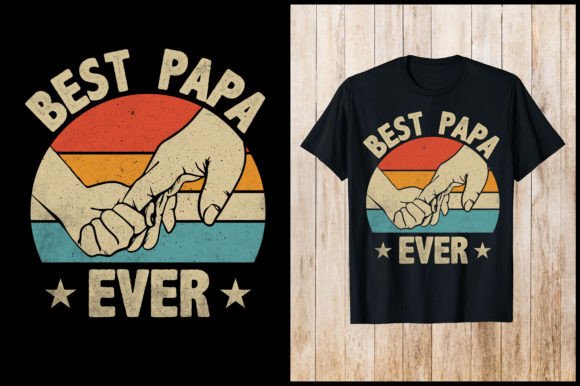
Best Papa Ever Retro T-shirt
When I evaluate a design for real-world application, I am rarely looking at it as a static image. I am seeing the stitch path, the tension of the thread, and the way the fabric will react under the needle. That is why my review of the Best Papa Ever Retro T-shirt design focuses heavily on its viability as a machine embroidery design rather than just its visual appeal on a screen. As someone who has spent years refining designs for craft business clients and personal gifts, I look for clarity, balance, and emotional resonance. This piece delivers on all three, but it requires a thoughtful approach to execution.
The First Impression: Mood and Layout
The moment you open the file, the retro aesthetic jumps out. The typography feels nostalgic, leaning into that vintage mid-century vibe that remains incredibly popular in the world of custom apparel. For an embroidery artist, the layout is the first thing to scrutinize. Does the text curve naturally? Are the letters spaced so they don’t merge during stitching? In this case, the spacing is generous enough to allow for clean satin stitch work on the lettering, which is critical for legibility. If the letters were too close, the thread would bridge, creating a muddy mess that destroys the professional look of the final product.
The theme is warm and inviting. It screams "dad joke" energy without being cheesy. This makes it an excellent candidate for personalized gift markets, particularly around Father’s Day or birthdays. The design doesn’t feel cluttered. It leaves room for the viewer’s eye to rest, which translates well to embroidery because excessive detail can sometimes overwhelm a small hoop area. The visual personality here is confident but approachable, a trait that helps build trust with buyers who are looking for something unique yet wearable.
Real-World Application: Where This Design Shines
I have tested similar assets across various mediums, and the Best Papa Ever Retro T-shirt design shows remarkable versatility. While the title suggests a shirt, limiting it to just t-shirts would be a missed opportunity. Here is how I see this performing in actual production scenarios:
- Sweatshirt Embroidery: The bold lines of the retro font stand up beautifully against the thicker texture of fleece or cotton blends. When placed on the chest of a crewneck sweatshirt, it creates a cozy, boutique-level aesthetic that appeals to the Etsy seller crowd looking for seasonal inventory.
- Tote Bag Design: Canvas bags are a staple for craft fairs. This design works exceptionally well here. The contrast between the sturdy canvas and the smooth embroidery thread adds a tactile element that customers love. It turns a simple bag into a statement piece.
- Baby Embroidery: Believe it or not, this design can be scaled down effectively for baby onesies or burp cloths. The "Papa" aspect resonates with grandparents buying gifts. However, this requires careful scaling to ensure the details remain crisp.
- Embroidered Patch: If you are creating patches for jackets or hats, this graphic provides a strong central focal point. You can add a border to define the shape, making it a perfect accessory for denim jackets or baseball caps.
The ability to use this as a digital embroidery file for multiple product types increases its value. Whether you are selling the finished physical goods or offering the design assets to other makers, the core graphic holds up across different applications.
Technical Considerations and Stitch Clarity
As a designer, I must address the technical side. The description notes that you receive AI, EPS, and PNG files with a large artboard size (4500 x 5400px). This high resolution is great for vector editing, allowing you to scale the design up or down without losing quality. However, converting these vector shapes into stitch data requires attention.
Stitch Density: You need to check the density settings in your embroidery software. Retro fonts often have thick strokes. If the stitch density is too high, the fabric will pucker, especially on lightweight materials. If it is too low, the fabric might show through the thread. Aim for a balanced density that covers the base fabric completely without adding unnecessary bulk.
Thread Colors: The success of this design hinges on color choice. A retro palette usually benefits from muted tones—mustard yellows, faded teals, or burnt oranges—rather than neon brights. When testing, always compare thread colors against your chosen fabric. On dark fabric, you may need a cut-away stabilizer and a backing layer to prevent the design from sinking into the material.
Hoop Size: Ensure the design fits comfortably within your standard hoop sizes. If the design is too wide, you risk distortion at the edges. For complex layouts, consider using a multi-hooping technique to maintain alignment and precision.
Where to Use With Caution
Not every surface is suitable for this level of detail. There are specific scenarios where you should proceed carefully:
- Small Hoop Sizes: If you attempt to stitch this on a very small area, such as a child’s sock or a tiny keychain tag, the fine details of the retro font may become illegible. Keep the minimum size large enough to preserve the integrity of the letters.
- Textured Fabrics: While heavy fabrics like denim are good, highly textured materials like bouclé or loose-weave linen can obscure the stitches. The uneven surface makes it difficult for the machine to maintain consistent tension, leading to skipped stitches or puckering.
- Stretchy Fabric: Stretchy knits require a stable stabilizer. Without proper support, the fabric texture will distort as you stitch, warping the circular or curved elements of the design. Always test on a scrap piece of the same stretchy material first.
- Dense Stitch Areas: Avoid placing this design over seams, pockets, or existing prints. The added thickness can cause discomfort and increase the risk of needle breakage.
Visual Appeal and Customer Trust
In the world of handmade products, presentation is everything. A well-executed embroidery project signals quality and care. When a customer sees the Best Papa Ever Retro T-shirt design stitched cleanly onto a garment, it elevates the perceived value of the item. It moves beyond a mass-produced print and becomes a handmade product with soul.
This design also aids in brand consistency. If you run a shop specializing in retro or vintage-inspired goods, this asset fits seamlessly into your collection. It helps create a cohesive look that encourages repeat purchases. Furthermore, the emotional connection tied to the word "Papa" drives engagement. People buy these items not just for the design, but for the sentiment. Your job as the creator is to ensure the technical execution matches that emotional promise.
Practical Designer Notes for Success
Before you start producing, follow these steps to ensure the best outcome:
- Test on Scrap Fabric: Never go straight to the final product. Stitch the design on a spare piece of the exact fabric you plan to use. This reveals issues with tension, stabilization, or color contrast early.
- Check Black and White Mockups: View your design in grayscale. This helps you assess the contrast levels. If the design looks flat in black and white, it will likely look washed out in color, especially on certain fabrics.
- Confirm Licensing: Since this is a digital product, verify the license terms. Ensure you have the right to sell finished items created with this design. Some licenses restrict commercial use or limit the number of units you can produce.
- Use Proper Stabilizer: Match your stabilizer to your fabric weight. Heavy-duty cut-away stabilizers are generally safer for durable garments, while tear-away might suffice for temporary projects.
- Inspect Small Details: Zoom in on the digital file before stitching. Look for any overlapping paths or tiny gaps that might cause threading issues.
Ultimately, the Best Papa Ever Retro T-shirt is a solid addition to any designer’s toolkit. It offers a blend of nostalgia and modern appeal that resonates with a wide audience. By paying attention to the technical details—hoop size, stitch density, and fabric choice—you can transform this digital asset into a cherished finished product that stands out in any market.